GEOTECHNICAL ENGINEERING
OTTAWA

Geotechnical Engineering in Ottawa

Rigorous testing. Clear reporting.

LEARN MORE

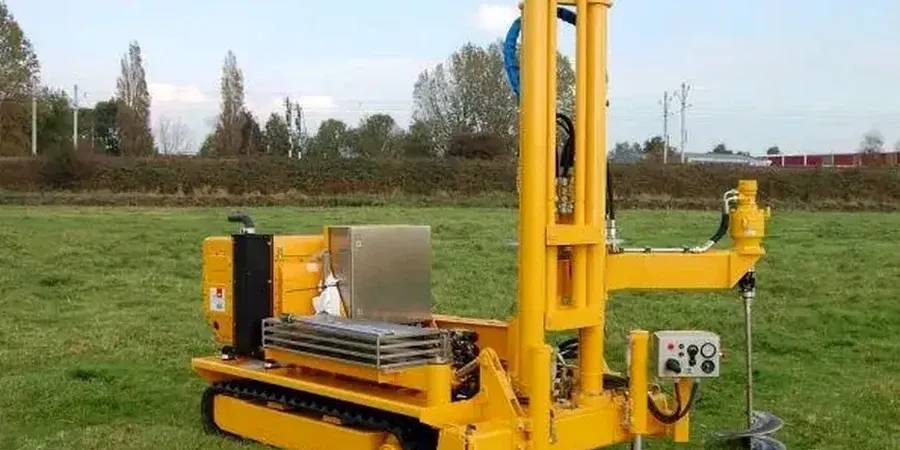
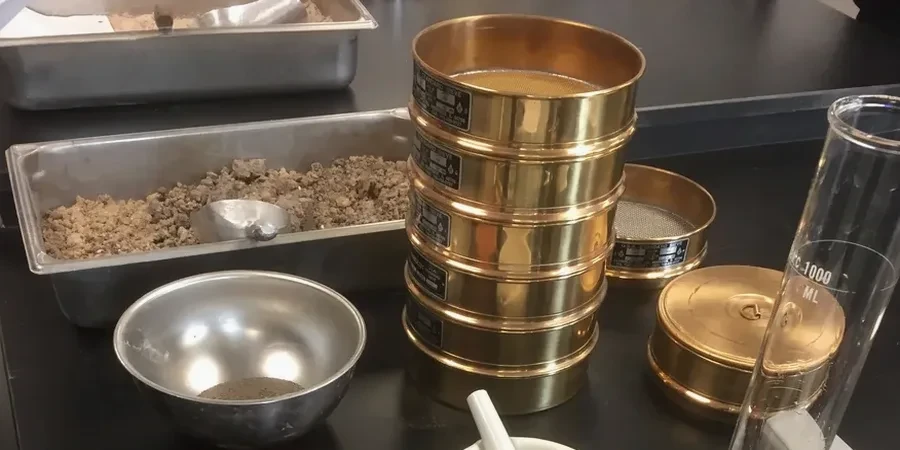
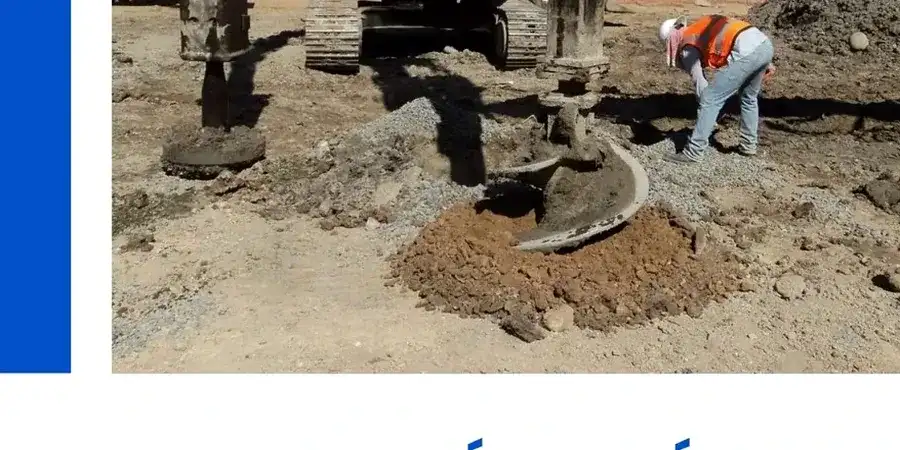
A foundation in Kanata on compact glacial till behaves nothing like one in Orleans, where Leda clay can lose strength rapidly when disturbed. That difference alone justifies a rigorous soil mechanics study before any excavation starts. Ottawa’s Champlain Sea sediments cover large portions of the urban area, and the sensitive clay layers demand careful sampling and lab testing. We run triaxial, consolidation, and grain-size analysis to define shear strength, compressibility, and drainage behavior under loading. In projects near the Rideau River, alluvial deposits introduce additional variability that must be characterized early. The triaxial testing program quantifies effective stress parameters, which feed directly into bearing capacity and settlement calculations per NBCC 2020. Our team has worked across Nepean, Centretown, and Kanata, collecting undisturbed samples with thin-walled Shelby tubes to preserve in-situ structure for the most representative lab results.

Ottawa's Leda clay can lose over 80% of its undisturbed strength when remolded; sampling without a soil mechanics study misrepresents the real in-situ risk.
Geotechnical Engineering in Ottawa
Technical reference — Ottawa

Our service areas

Standards used


NBCC 2020 (Division B, Part 4), ASTM D4767-11 (triaxial), CSA A23.3-14, CSA + ASTM D2435 (consolidation)

Need a geotechnical assessment?

Reply within 24h.

Email: contact@geotechnicalengineering.vip

Why choose us

The Shelby tube sampler we deploy across Ottawa sites is the first line of defense against mischaracterizing sensitive soils. This thin-walled tube, pushed hydraulically at a constant rate, preserves the fabric of Leda clay without the remolding that a split-spoon would cause. When a crew rushes the sampling or skips consolidation tests, the soil mechanics study yields unrealistically high strength values. The real danger emerges during excavation: a slope in sensitive clay that looked stable on paper can retrogress rapidly, triggering a flow slide. We have reviewed boreholes from Lebreton Flats to Riverside South where the sensitivity exceeded 30, meaning the soil transitions from solid to viscous fluid with minimal disturbance. Our protocol always includes Atterberg limits, undisturbed triaxial, and oedometer tests to bracket the risk window. For deep cuts in downtown Ottawa, we factor in groundwater perched in sandy interbeds within the clay, which accelerates pore-pressure buildup after heavy rain or spring thaw.

Technical data

ParameterTypical value
Undrained shear strength (Leda clay)25–60 kPa (intact); <5 kPa (remolded)
Glacial till SPT N-value25–60 blows/300 mm
Compression index Cc (Champlain clay)0.6–1.2
Overconsolidation ratio (OCR)1.2–2.5 in upper 6 m
Triaxial effective friction angle (till)34°–40°
Sensitivity (St) of Leda clay10–>50 (highly sensitive)
Grain-size fines content (silt+clay)60–95% in Champlain Sea deposits

Common questions

How much does a soil mechanics study cost for a residential project in Ottawa?

For a typical residential lot in Ottawa the soil mechanics study ranges from CA$4,260 to CA$6,330, depending on the number of boreholes, depth, and the lab tests required (triaxial, consolidation, grain-size). Sites with poor access or suspected sensitive clay may need additional sampling and raise the cost within that bracket.

How deep do you bore for a soil mechanics study in Ottawa's clay belt?

Depth depends on the foundation type and load. For a two-story residential footing we typically reach 6–8 m, going through the desiccated crust into the intact Leda clay. For mid-rise buildings or deep excavations, boreholes extend to 15–25 m to capture the full Champlain Sea sequence and the underlying till contact.

Which lab tests are mandatory for Ottawa's sensitive marine clay?

We always run Atterberg limits and moisture content to confirm the clay’s plasticity, one-dimensional consolidation to capture compressibility and preconsolidation pressure, and undrained triaxial tests on undisturbed Shelby tube samples. If the sensitivity index exceeds 10, we add remolded shear strength measurements to quantify the risk of flow slides during excavation.

How long does it take to get the final soil mechanics report?

Fieldwork and sampling take one to two days. Lab testing runs two to three weeks because consolidation and triaxial tests require staged loading and pore-pressure equalization. The interpretive report with foundation parameters is delivered within four weeks of site mobilization.

Location and service area

We serve projects across Ottawa and surrounding areas.

View larger map